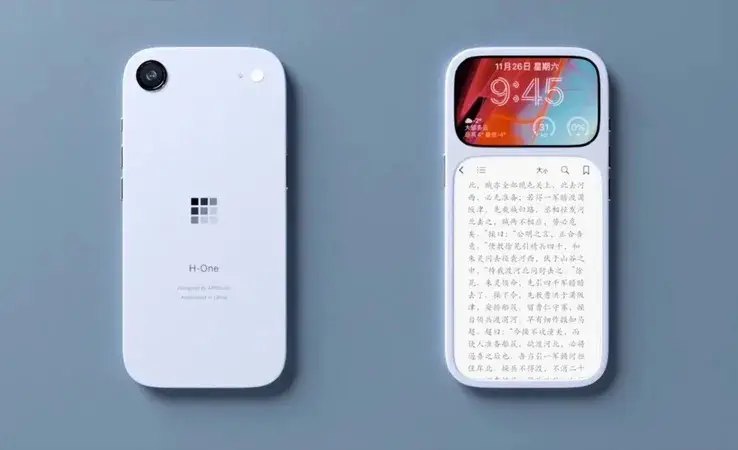

lucadelladora – Most modern smartphones rely on IPS or OLED displays for vibrant visuals and smooth animations. However, niche devices using e-ink screens still exist, mainly for reading-focused use cases. The Pixel Duo concept smartphone proposes a hybrid approach. It combines two different display technologies within one device. The idea aims to merge visual performance with energy efficiency. IPS and OLED panels excel at video playback, color accuracy, and motion clarity. These screens support high refresh rates and strong contrast. In contrast, e-ink displays consume far less power. They also reduce eye strain during extended reading sessions.
Read More : PayPal Applies to Become a Bank Under Looser US Rules
That advantage explains their popularity in e-book readers. The Pixel Duo concept places both technologies on the phone’s front. The design targets users who split time between media consumption and reading. Instead of choosing one display type, the concept embraces both. This approach suggests a possible alternative to current smartphone design trends. It also reflects growing interest in battery longevity and digital well-being. Although the device remains conceptual, it highlights how hardware innovation could address modern usage habits.
Display Specifications, Use Cases, and Concept Limitations
The Pixel Duo concept features two vertically stacked displays on the front. The upper section houses a 3.5-inch IPS panel. This screen offers a 1280 by 800 pixel resolution and a 120Hz refresh rate. The high refresh rate supports smooth scrolling and animations. It suits tasks like video playback, web browsing, and camera use. Below it sits a larger 5.2-inch e-ink display. This panel has a 1300 by 838 pixel resolution with 300 PPI density.
The e-ink screen only displays grayscale content. However, it works well for reading books, articles, and static text. The dual-screen layout supports multitasking. Users could control music or view widgets on the IPS panel. Meanwhile, they could read content on the e-ink display. The IPS screen also shows the time and system widgets. This setup reduces eye strain and power consumption during long reading sessions. At the same time, it preserves quick access to essential functions without switching apps, offering a balanced mix of efficiency and usability.
Most applications would run on the e-ink display by default. This setup could significantly reduce power consumption. As a result, the device promises exceptional battery life. Experts note that battery efficiency remains a key smartphone challenge. Despite its potential, the Pixel Duo remains a concept only. No manufacturer has announced plans for production. Still, the idea may influence future hybrid smartphone designs.