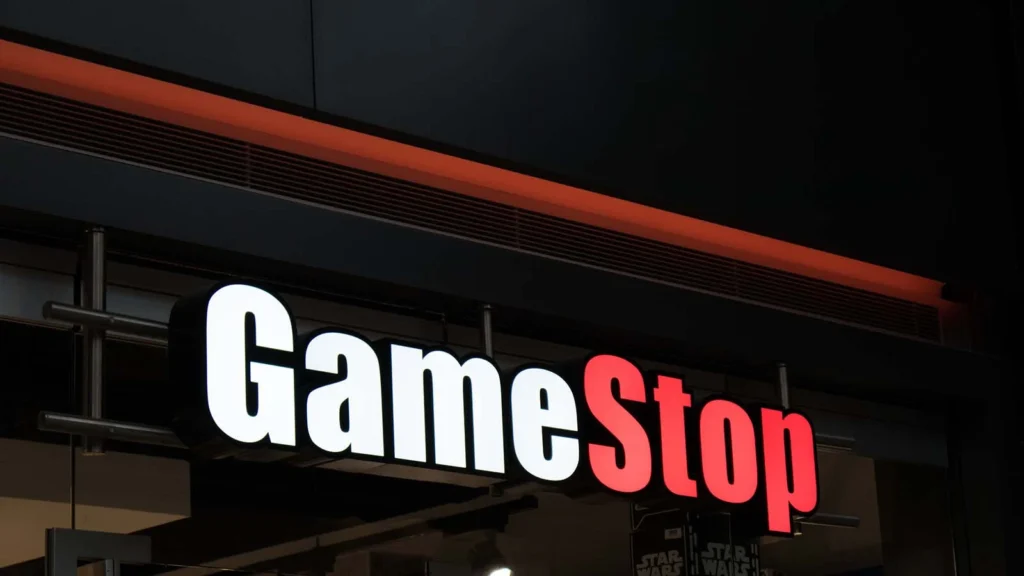

lucadelladora – GameStop is preparing to close more than 400 retail locations across the United States as part of an aggressive cost-saving strategy. The scale of the closures suggests that many local stores could be affected in the coming months. The move reflects continued pressure on the company’s traditional brick-and-mortar business model.
Polygon first reported the plan, citing tracking data from a blog that monitors GameStop store closures. As of January 10, the tracker lists 410 US locations that have already closed or are confirmed to shut down, with an additional 11 stores reportedly also scheduled for closure.
The closures affect multiple states and span both urban and suburban areas. Many of the impacted locations operate as smaller outlets in shopping centres and malls. GameStop has not released a complete official list of store closures. However, the confirmed figures indicate one of the largest contraction efforts in the company’s history.
Although the news has raised concerns among customers and employees, analysts say the move came as no surprise. Foot traffic at physical game retailers has declined steadily, while digital game purchases and direct console downloads continue to reduce reliance on in-store sales.
GameStop has not disclosed how many employees may be impacted. Store closures typically result in layoffs or transfers. The company has not commented publicly on workforce implications. Industry observers expect staffing reductions to follow.
The retailer has struggled to redefine its role in a market increasingly dominated by digital distribution. Hardware sales remain cyclical and dependent on console refreshes. Software margins have narrowed as publishers push online ecosystems.
These pressures have made physical stores less profitable. Operating costs such as rent and staffing continue to rise. Closing underperforming locations is seen as a way to stabilize finances. The strategy signals a sharper focus on cost discipline.
SEC Filing Reveals Broader Retrenchment and Executive Compensation Plan
GameStop previously warned investors about large-scale closures in a regulatory filing. In its December 2025 filing with the US Securities and Exchange Commission, the company said it anticipated closing “a significant number of additional stores” during fiscal 2025. That fiscal year ends on January 31, 2026.
The same filing outlined a controversial executive compensation structure. The company’s board approved a stock-based incentive plan for chief executive Ryan Cohen. Under the plan, Cohen could receive stock options worth up to $35 billion. The payout is contingent on increasing GameStop’s market capitalization to $100 billion.
The disclosure drew attention due to the scale of the potential compensation. GameStop’s market value currently remains far below that target. Critics argue the structure reflects speculative ambitions rather than operational fundamentals. Supporters say it aligns leadership incentives with shareholder value.
The SEC filing also revealed that store closures extend beyond the United States. GameStop plans to reduce its retail footprint in several European countries and Canada. Those international reductions were not reflected in the US-focused closure tracker. The company did not specify timelines or exact numbers abroad.
GameStop’s long-term challenges persist despite past market volatility. In 2021, the company experienced a historic surge in market value. That spike was driven largely by retail investor enthusiasm rather than core business performance. Subsequent years failed to sustain that momentum.
Efforts to reinvent the brand have produced mixed results. GameStop previously launched a cryptocurrency wallet and an NFT marketplace. Both initiatives were eventually shut down after limited adoption. Those failures raised questions about strategic direction.
Read More : Grok Blocked in Indonesia After Bikini Deepfake Issue
GameStop has not outlined a detailed roadmap beyond cost reductions. Investors continue to watch for clarity on future growth strategies. The company’s next earnings reports may provide additional insight. For now, widespread store closures signal a decisive shift in priorities.