
lucadelladora – Nvidia Shield TV has now been on the market for more than ten years without a major hardware update. The original Nvidia Shield TV launched in 2015 and was positioned as a high-performance Android TV set-top box. Since then, Nvidia has focused primarily on software updates rather than releasing new hardware. Many long-term users have continued to wait for a next-generation model.
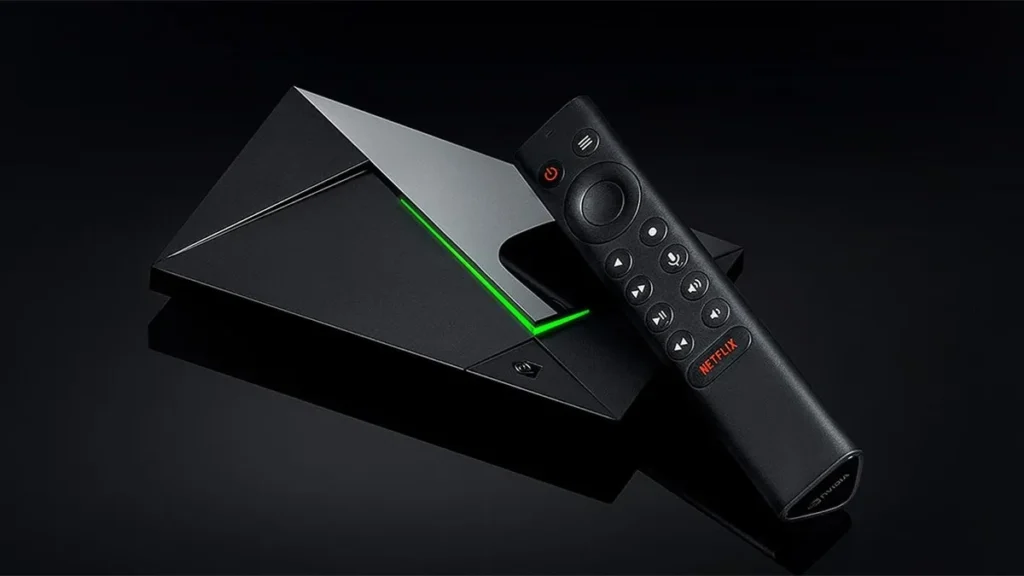
The most recent hardware revision arrived in 2019 with the introduction of the Shield TV Pro. That version featured the Nvidia Tegra X1+ chipset and delivered several improvements. These included support for Dolby Vision, AI-based upscaling, Bluetooth 5.0, and a redesigned remote control. Despite these upgrades, the underlying platform remains based on older mobile processor technology.
The Tegra X1 platform used in the Shield TV is broadly comparable to the chipset found in the first-generation Nintendo Switch. While still capable for media playback, it no longer reflects modern hardware standards. Competing streaming devices have since adopted newer codecs and enhanced HDR support. This gap has fueled speculation about a successor.
Nvidia has continued to provide regular software updates for the Shield TV line. These updates have helped extend the device’s relevance in the market. However, they cannot fully address limitations tied to aging hardware. User demand for a true hardware refresh has remained consistent.
Recent comments from a senior Nvidia executive have now added new context. In an interview, Nvidia acknowledged internal work related to future Shield hardware. While no formal announcement has been made, the remarks suggest that development efforts are ongoing.
Executive Signals HDR and Codec Improvements for Potential Shield TV 2
In an interview with Ars Technica, Nvidia Senior Vice President of Hardware Engineering Andrew Bell discussed the future of the Shield TV lineup. Bell stated that Shield TV sales have remained stable over time. As a result, Nvidia does not plan to discontinue production or end software support. This commitment reassures existing users about long-term viability.
Bell also confirmed that Nvidia is testing new Shield TV hardware internally. He did not specify whether or when a new model would be released. However, he did provide insight into areas Nvidia considers important for a next-generation device. These comments offer the clearest signal yet about potential improvements.
Enhanced support for modern HDR standards was highlighted as a priority. Bell specifically mentioned VP9 support to allow YouTube content to play in HDR. He also pointed to improved compatibility with HDR10+ and the AV1 codec. These formats have become increasingly common across streaming platforms.
Improved codec support would bring the Shield TV closer to current industry standards. AV1, in particular, is gaining adoption due to its efficiency and quality benefits. Broader HDR support would also address one of the platform’s most frequently cited limitations. These changes would represent a meaningful upgrade for home theater users.
Bell also addressed a smaller but notable design concern. He expressed interest in reducing the size of the large Netflix button on the Shield TV remote. The button has been a point of criticism among users. Bell acknowledged that the placement likely reflects a commercial agreement.
Read More : Next-Gen Legion Y700 Compact Gaming Tablet Confirmed
Nevertheless, the interview confirms that Nvidia has not abandoned the Shield TV hardware line. Internal testing suggests future plans remain active. The focus on modern HDR formats and codecs reflects current market demands. A next-generation Shield TV, if released, would aim to modernize a long-standing platform.