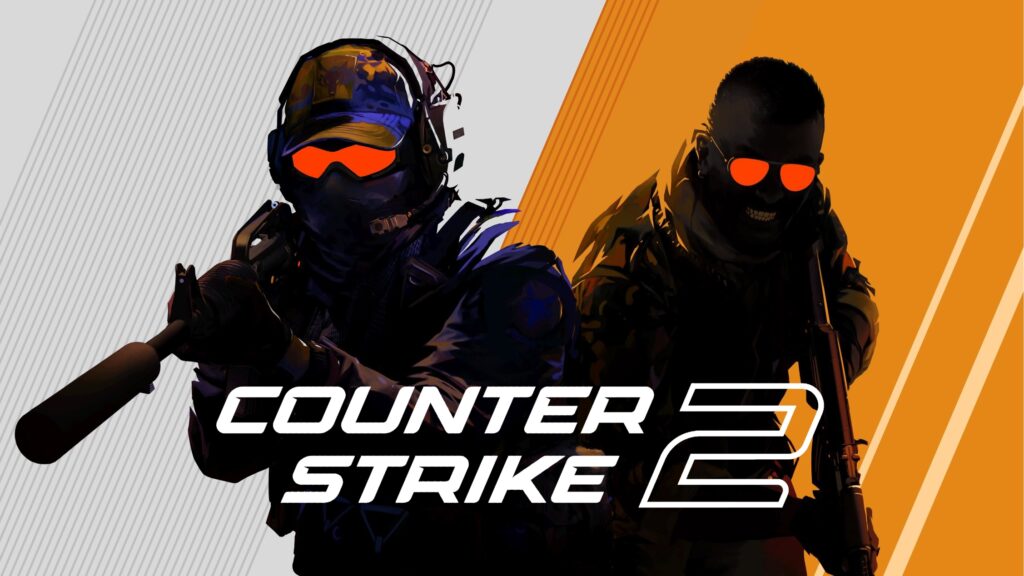

lucadelladora – Valve is facing legal scrutiny after the state of New York filed a lawsuit targeting the company’s use of loot boxes in popular games. The complaint was brought forward by New York Attorney General Letitia James, who argues that the system used in several Steam titles resembles gambling. The lawsuit focuses particularly on games such as Counter-Strike 2 and Dota 2.
According to the Attorney General’s office, the mechanics used in these games encourage players to spend money on randomized rewards. Players purchase cases that contain cosmetic items such as weapon skins and other digital collectibles. To open the cases, users must buy keys that are sold through the game’s marketplace.
The system creates a randomized outcome similar to gambling mechanics. Players spend money without knowing which item they will receive. Rare skins have extremely low drop rates, which encourages players to repeatedly purchase additional cases in hopes of obtaining valuable items.
Attorney General James claims that this system violates several state laws related to gambling. Gambling is generally illegal in New York, although specific exceptions exist for regulated activities such as sports betting. The lawsuit argues that similar consumer protections do not exist for players who spend money on in-game loot boxes.
The complaint suggests that players often chase rare cosmetic rewards despite the low probability of obtaining them. When players fail to receive desirable items, they may continue spending money in an attempt to improve their chances. According to the lawsuit, this pattern can create addictive spending behavior.
Counter-Strike 2 is specifically highlighted in the complaint as an example of this system. The free-to-play shooter allows players to purchase weapon cases containing cosmetic skins. These items change the visual appearance of weapons but do not affect gameplay performance.
While cosmetic rewards may appear harmless, regulators argue that the purchasing system resembles gambling mechanics. Because outcomes depend entirely on chance, the lawsuit claims the feature may encourage risky spending behavior among players.
Regulators Warn Loot Box Systems Could Encourage Gambling Addiction
The lawsuit also raises concerns about the impact of loot boxes on younger players. A study cited by the Attorney General’s office suggests that minors are particularly vulnerable to these systems. Young players may become motivated to chase rare cosmetic rewards without fully understanding the financial consequences.
In some situations, minors may spend money using their parents’ credit or bank cards. These purchases can accumulate quickly if the player repeatedly buys loot boxes or keys. Regulators argue that such behavior can lead to financial harm for families.
Although several games on Steam use loot box systems, the lawsuit highlights differences in how they present information to players. For example, some titles such as Dota 2 provide clearer disclosure about the contents and probability of obtaining certain items. Transparency about drop rates can help players understand their chances before spending money.
If New York succeeds in the case against Valve, the company could face significant financial penalties. The lawsuit seeks restitution for players who spent money through the loot box systems. It also raises the possibility of fines or regulatory changes affecting how these systems operate in the future.
Legal battles over loot boxes have been ongoing in several countries and regions. Regulators continue to debate whether these systems should be classified as gambling under existing laws. Some governments have already introduced restrictions or consumer protections for similar mechanics.
Read More : New Philips Hue Essential Light Strip Debuts in EU
Game publishers have defended loot boxes by arguing that players always receive an item after making a purchase. Even if the reward is low in value, players still receive a digital product rather than losing money outright. Supporters of the system claim this difference separates loot boxes from traditional gambling.