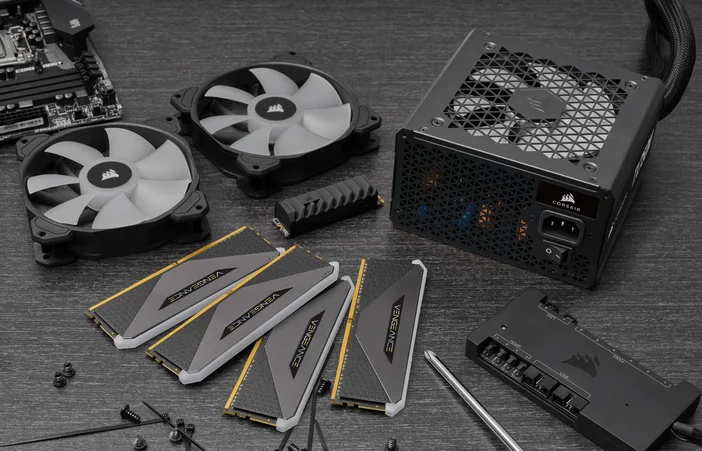

lucadelladora – Rising costs across the global technology supply chain are beginning to affect additional PC components beyond memory and storage. After months of price increases driven by AI-related demand, manufacturers are now warning of higher costs for power supplies and cooling hardware. Industry sources in China indicate that raw material pressures are accelerating price adjustments. These changes could soon affect PC builders and consumers worldwide.
Rising Raw Material Costs Drive Power Supply and Cooling Price Increases
PC component prices have already faced sustained pressure due to the ongoing artificial intelligence boom. Demand from AI data centers has significantly increased consumption of memory and storage products. As a result, RAM and SSD prices have risen noticeably over recent months. Industry observers now report that other critical components are following the same trend.
According to a notice issued by Guangzhou Xinhong Zhengdian Electronic Technology, rising raw material costs are placing heavy strain on manufacturers. The company cited sustained price increases in essential upstream materials. These materials include copper, silver, and tin, all of which are critical for electronics manufacturing. Global commodity market conditions have driven these costs higher.
Copper is widely used in power delivery components and internal wiring. Silver plays a key role in electrical contacts and conductive pathways. Tin is essential for soldering processes used throughout electronics assembly. The combined increase across these materials has significantly raised production expenses. Manufacturers say these increases have accumulated steadily over recent months.
The notice explained that suppliers can no longer absorb these costs internally. As a result, price adjustments are being passed down the supply chain. The impact is already being felt at the manufacturing level. Power supply units and cooling components are particularly affected due to their material composition.
Power supplies rely heavily on copper coils, transformers, and wiring. Cooling solutions depend on copper heat pipes, aluminum fins, and soldered joints. Rising metal prices therefore have a direct effect on production costs. Manufacturers report that margins have narrowed considerably.
Guangzhou Xinhong Zhengdian stated that operating costs have reached unsustainable levels under previous pricing structures. The company emphasized that the situation is not isolated. Similar pressures are affecting multiple suppliers across the electronics sector. This suggests broader industry-wide price adjustments are likely.
Immediate Supply Chain Impact and February 2026 Pricing Changes
The notice also revealed that upstream suppliers have acted swiftly. As of January 6, factories stopped accepting new orders at previous prices and now calculate all orders placed after that date under revised pricing terms. This shift applies higher costs immediately across the supply chain.
Manufacturers warned that they now have little buffer between supplier costs and retail prices. As a result, price increases will likely reach distributors and consumers more quickly. Suppliers project power supply unit prices to rise by around 6% to 10%, with variations depending on model and capacity.
Manufacturers will also raise prices on CPU cooling products. Heatsinks and complete cooler assemblies are set to increase by approximately 6% to 8%, covering both air coolers and liquid cooling solutions. These adjustments will directly affect system builders and PC enthusiasts planning hardware upgrades.
The notice also detailed policy changes scheduled to take effect on February 1, 2026. From that date, the company will cancel all promotional pricing policies, including discounts, rebates, and special pricing programs. Buyers who rely on seasonal promotions will likely encounter fewer cost-saving opportunities.
Beyond ending promotions, the company plans to implement further price increases across its product lineup. More than 90% of products will receive additional per-item price adjustments on top of standard pricing. Together, these measures could significantly raise overall purchasing costs.
Read More : Mangmi shares Pocket Max battery specs and design
For consumers, this could affect both new system builds and upgrades. Budget allocations may need adjustment as component prices rise. System integrators may also face challenges maintaining competitive pricing. Some may delay purchases in anticipation of market stabilization.